Septic Inspection & Capacity Assessment
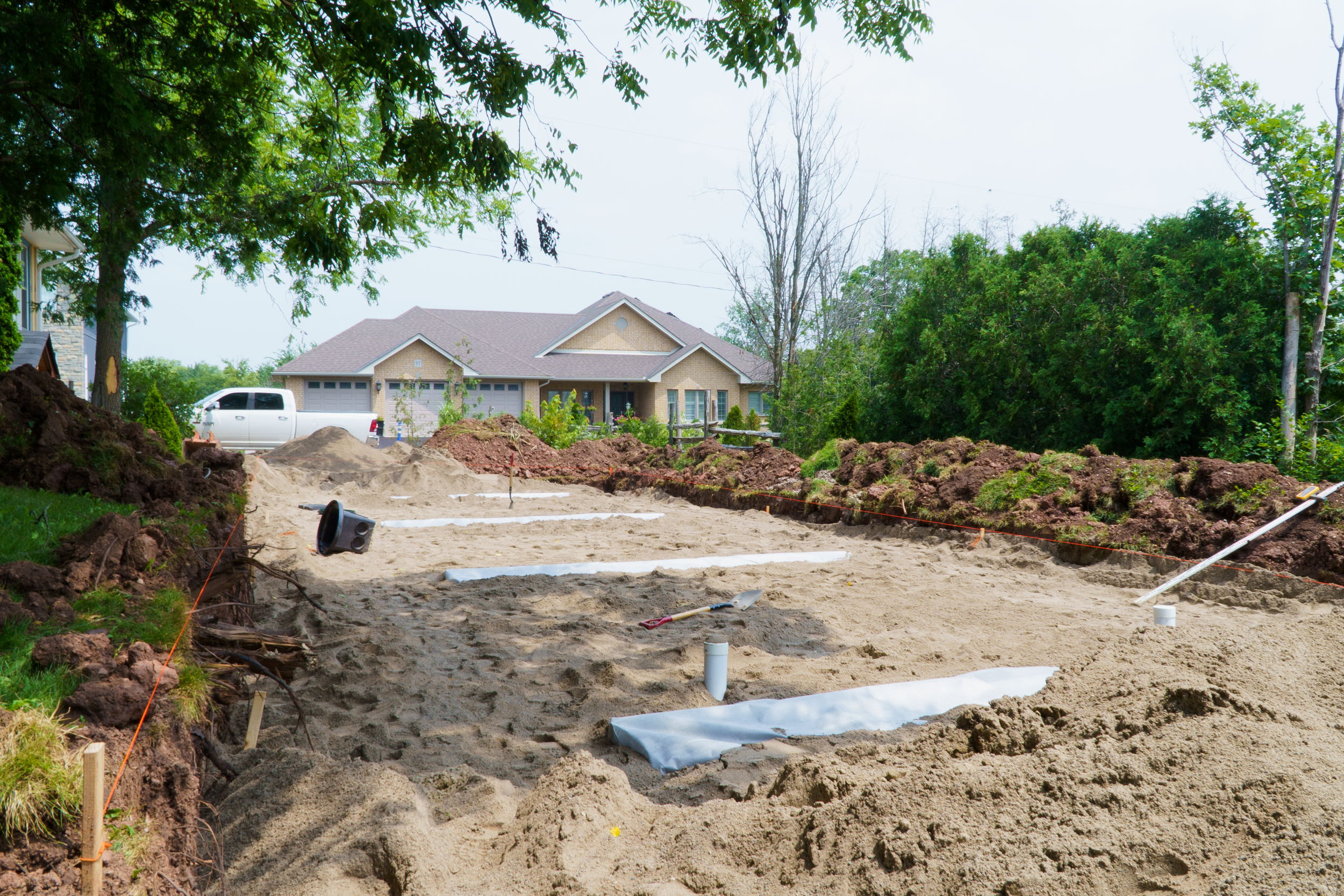
Knowing the condition and operating capacity of your septic system is important to keep it maintained and running smoothly. Inspections can also let you know the potential of the septic system to handle additional flow for building additions or changes in building use.
Other reasons for septic systems inspections include:
• Real Estate Transactions
• Troubleshooting Problem Systems (i.e., leaks, back-ups, or overflows)
• Assessment of Septic System Condition and Operating Capacity
• Locating Septic System Components
Headwaters Construction can complete septic system inspections for you and has many contacts in the industry to assist you with other tasks such as septic tank pump-outs, and routine septic system maintenance and repairs.

Troubleshooting
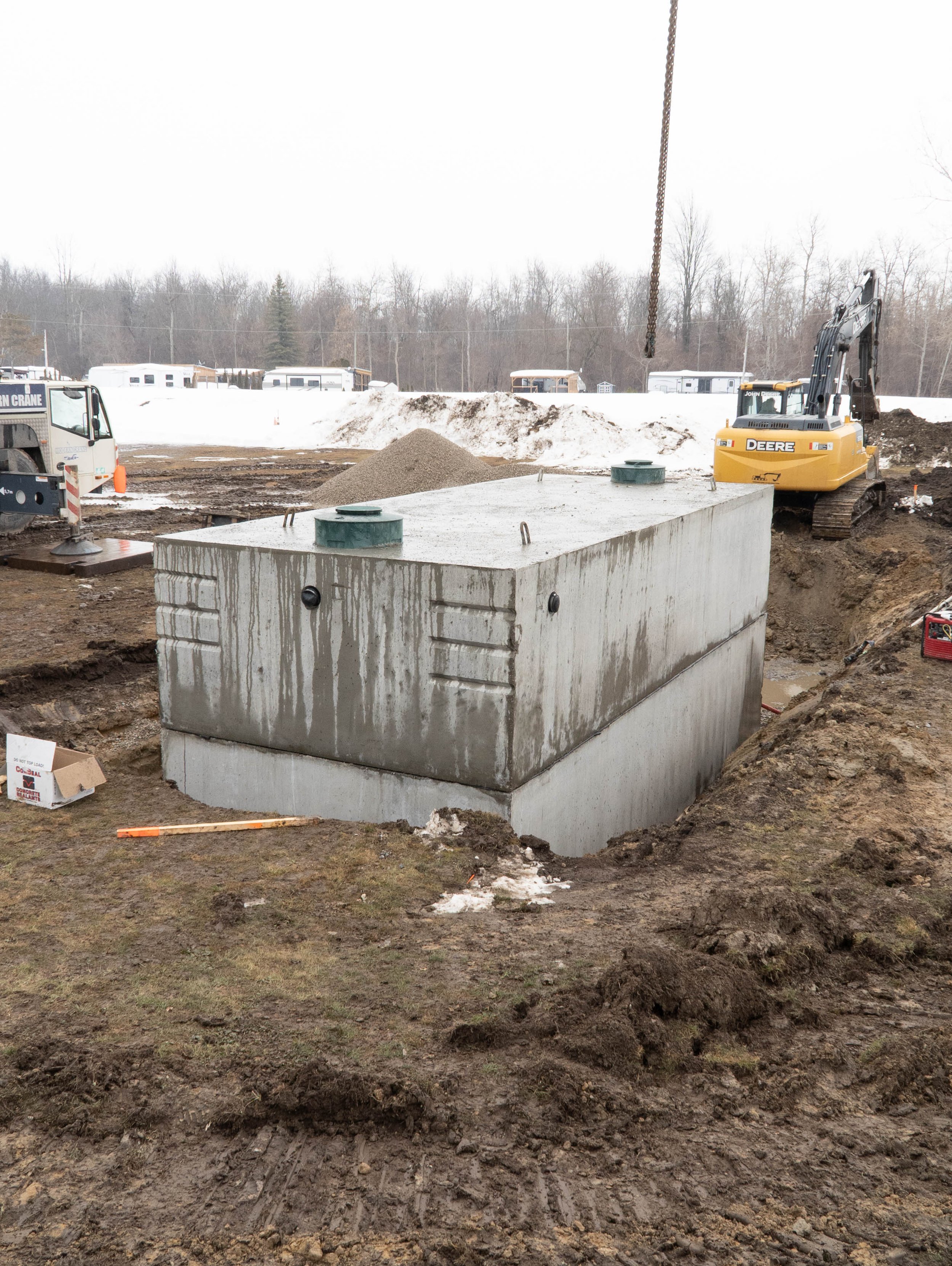
Headwater Construction has expertise in the operation and maintenance of septic systems. If you are experiencing problems with sewer/plumbing backups, odours, leakage around the bed, or pump system failures, we can investigate the cause of the problem and recommend the most suitable and cost-effective solution.

Common septic issues we address include:
Clogs and Blockages — resulting from flushing non-biodegradable materials, tree root infiltration, or sediment buildup, which cause slow or stopped drains and sewage backups
Hydraulic Overload — caused by excessive water usage or clogged septic bed soils, leading to pooling water in the yard and system backups
Drainfield Failure — characterized by soggy or green grass, strong odours around the system, and sewer backup to the house, often due to overuse, poor soil conditions, or biomat buildup
Root Intrusion — causing foul smells near the tank and slow draining
Our thorough septic inspections identify potential issues early, saving time and costs while optimizing system longevity. With over 25 years of professional engineering experience, we prioritize compliance with local regulations and environmental sustainability. We're certified to install many types of septic systems approved for use in Ontario and serve residential, commercial, industrial, institutional, and recreational properties across the Greater Toronto Area.
If you suspect your septic system is not functioning properly, reach out to schedule an inspection with our experienced team of engineer

Frequently Asked Questions
1. What is a septic inspection, and why is it important?
A septic inspection is a professional evaluation of your septic system's components, condition, and overall performance. A trained inspector examines the tank, drain field, pipes, and other key components to ensure everything is functioning properly. For homeowners across Southern and Central Ontario, where many properties rely on private septic systems, regular inspections are essential for identifying potential problems early, protecting your property value, and ensuring your system complies with local health and environmental regulations. Headwaters Construction provides thorough septic inspections to give homeowners peace of mind and keep systems running efficiently.
2. Do I need a septic inspection when buying or selling a home?
Yes, a septic inspection is strongly recommended, and in many cases required, during real estate transactions. Buyers should always request an inspection before closing to avoid inheriting costly repairs or system failures. Sellers benefit from a pre-listing inspection as well, since it demonstrates transparency, can speed up the closing process, and helps prevent last-minute negotiation issues related to system defects. Having a certified inspection completed beforehand can make a significant difference in a smooth and successful property transaction.
3. What happens during a septic inspection for a real estate transaction?
During a real estate septic inspection, a licensed inspector will locate and uncover the tank, check water levels, inspect the inlet and outlet baffles, evaluate the drain field, and pump or probe the tank if necessary. The inspector will also assess whether the system is properly sized for the home and flag any signs of failure, damage, or code violations that could affect the sale. Headwaters Construction is experienced in conducting pre-sale and pre-purchase septic inspections, helping both buyers and sellers move forward with confidence.
4. How do I know if my septic system has a problem that needs immediate attention?
Common warning signs include slow or gurgling drains, sewage odours inside or outside the home, toilets that back up frequently, and wet or soggy patches of ground near the drain field. If you notice any of these symptoms, you should schedule a septic inspection as soon as possible. Ignoring these signs can lead to full system failure, environmental contamination, and expensive repairs. Acting quickly at the first sign of trouble is always the best approach to avoid more serious and costly consequences down the road.
5. Can a septic inspection identify the cause of leaks, backups, or overflows?
Absolutely. One of the primary purposes of a troubleshooting inspection is to diagnose the root cause of system problems. An inspector can determine whether a backup is caused by a full or damaged tank, a blocked pipe, a failing drain field, or tree root intrusion. Identifying the exact source of the problem ensures that the correct repair is performed rather than applying temporary fixes that could make the situation worse. Headwaters Construction has extensive experience troubleshooting problem septic systems and providing reliable, long-lasting solutions for homeowners.
6. What does an assessment of septic system condition and operating capacity involve?
A condition and capacity assessment evaluates whether your septic system is structurally sound and capable of handling the demands placed on it. The inspector will check for cracked or corroded tank walls, deteriorating baffles, signs of soil saturation in the drain field, and proper liquid levels. They will also verify that the system's size and design are appropriate for the number of bedrooms in the home and the volume of daily wastewater generated. In Southern and Central Ontario, where many properties feature older or custom-built septic systems, a thorough capacity assessment is especially important to ensure your system meets current standards and performance expectations.
7. What if I don't know where my septic system components are located?
Many homeowners are unsure of the exact location of their septic tank, distribution box, or drain field lines, especially on older rural properties. A professional inspector can locate these components using probing tools, inspection cameras, or electronic locating equipment. Once found, it is highly recommended that you document the locations on a property map for future maintenance, pumping, and inspection needs. Headwaters Construction can assist in locating all septic system components and provide you with a clear record to reference for years to come.
8. How often should a septic system be inspected, and what factors affect that frequency?
Most septic systems should be inspected every 1 to 3 years, depending on the size of the household, system age, and usage habits. Older systems, homes with garburators, or properties with a history of problems may require more frequent evaluations. In addition to routine maintenance inspections, you should also schedule an inspection following major weather events, before or after a real estate transaction, or any time you notice signs of system trouble. Headwaters Construction offers professional septic inspections tailored to the unique needs of rural and semi-rural properties throughout Southern and Central Ontario.